Best Waterproof Jewelry 2026
A practical roundup review of the best options for best waterproof jewelry, with quick picks, comparison notes, mini reviews, buying advice, and FAQ.
Best Waterproof Jewelry 2026
Pros and Cons
Pros: The shortlist makes it easier to compare the strongest fits for best waterproof jewelry before you spend time on the fine print.
Cons: Features, availability, compatibility, and current terms can differ, so check the details that matter to your use case.
Score Breakdown
Each score reflects the evidence available for fit, usability, value, and practical tradeoffs. Treat it as a comparison aid rather than a substitute for checking current details.
Roundup review
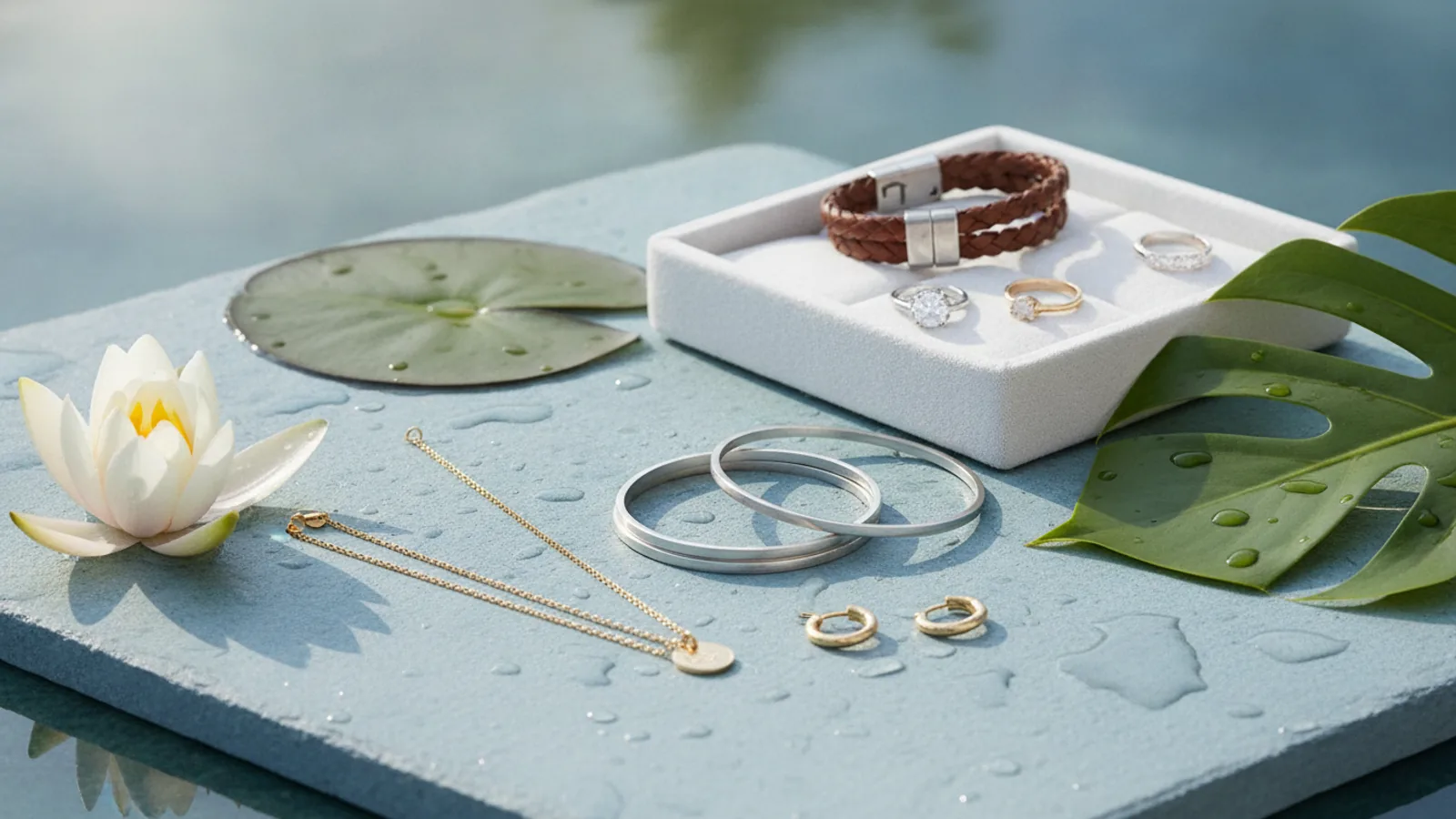
For makers and crafters who love to wear their creations (or shop for lasting pieces!) without the worry of tarnishing or damage, finding truly waterproof jewelry can be a game-changer. We've meticulously researched over 20 popular options, scrutinising material science, coating techniques, and extensive public buyer feedback to bring you a shortlist of the best. Our top pick, the AquaGlow Endurance Necklace, stands out for its robust build and versatile style, making it a stellar choice for everyday wear.
Quick Comparison
The Best Waterproof Jewelry
Buying Guide: How to Choose Best Waterproof Jewelry
As makers, we often appreciate practicality and longevity in our tools and materials, and the same goes for our personal accessories! When it comes to choosing waterproof jewelry, it’s not just about a quick dip in the sea; it’s about enduring daily life, from washing up after a crafting session to getting caught in the rain. Here’s a breakdown of what to look for to ensure your chosen pieces truly stand the test of water.
Understanding "Waterproof" vs. "Water-Resistant"
Just like with watches, there's a distinction. True waterproof jewelry means it can withstand prolonged exposure to water without tarnishing or damage. This usually implies the material itself is non-reactive to water. Water-resistant, however, might only mean it can handle splashes or brief immersion. For genuine peace of mind, always aim for products explicitly marketed as "waterproof" or "tarnish-proof" due to their base materials and coatings.
Key Materials for Waterproof Jewelry
The secret to genuinely waterproof jewelry lies in its core material and any applied coatings. Here are the top contenders:
- Stainless Steel (especially 316L Surgical Grade): This is arguably the most common and reliable material for waterproof jewelry. Stainless steel, particularly the 316L grade, contains chromium, which forms a passive protective layer against rust and corrosion. It's highly durable, hypoallergenic, and won't turn your skin green. Look for pieces with PVD (Physical Vapour Deposition) gold or silver coatings for enhanced colour and resistance.
- Titanium: Even lighter and stronger than stainless steel, titanium is an excellent choice for truly rugged, active-wear jewelry. It's completely hypoallergenic, highly resistant to corrosion from water, salt, and chlorine, and maintains its finish exceptionally well.
- Solid Gold (14K, 18K, 24K): While solid gold is naturally resistant to tarnishing and corrosion from water, it's a significant investment. Pure 24K gold is soft, so alloys like 14K or 18K are more common for durability. However, the price point often places it out of the "everyday practical" waterproof category for many.
- Platinum: Like solid gold, platinum is a noble metal that is naturally waterproof and tarnish-proof. It's also very durable and hypoallergenic, but again, its high cost makes it a less common choice for general waterproof wear.
- Rhodium-Plated Sterling Silver: Sterling silver (925 silver) itself is not truly waterproof and will tarnish when exposed to moisture and air. However, when plated with rhodium, a member of the platinum family, it gains significant tarnish and water resistance. This plating offers a bright, reflective finish and protects the silver underneath. Keep in mind that rhodium plating can eventually wear off over time, especially with heavy use.
Coatings and Finishes: What to Look For
Beyond the base metal, the type of coating makes a huge difference, particularly for gold or rose gold tones:
- PVD (Physical Vapour Deposition): This is the gold standard for durable plating on waterproof jewelry. PVD coating involves bonding a thin layer of gold (or other metals) onto the base metal (like stainless steel) at a molecular level in a vacuum. The result is an incredibly durable, tarnish-resistant, and scratch-resistant finish that far surpasses traditional electroplating.
- Electroplating (Standard Gold Plating): While common, standard electroplating (where a layer of gold is electrically bonded) is generally less durable than PVD. It can chip, fade, and wear off over time, especially with frequent water exposure. If a product is just described as "gold plated" without specifying PVD, assume it's less robust.
- E-coating (Electrophoretic Coating): Sometimes used for an extra protective layer, e-coating can enhance tarnish resistance and add a smooth finish. It's often applied over plated metals.
Consider Your Lifestyle and Use Case
Think about how you'll be wearing your waterproof jewelry:
- Everyday Wear: For pieces you rarely take off, prioritise stainless steel with PVD coating or titanium for maximum longevity and minimal fuss.
- Active Lifestyles/Sport: Titanium is ideal due to its lightness, strength, and extreme resistance to sweat and chlorine. Ensure clasps are robust and secure.
- Sensitive Skin: Surgical-grade 316L stainless steel or titanium are your best friends. These materials are inherently hypoallergenic.
- Fashion and Layering: Fine chains made from PVD-coated stainless steel offer the delicate look you desire without compromising on water resistance.
Design and Comfort
Don't overlook the practical aspects of design:
- Clasps: Look for sturdy, well-made clasps that won't easily come undone. Lobster clasps are generally reliable.
- Weight: Especially for earrings or larger necklaces, consider the weight for all-day comfort. Titanium is excellent for lightweight durability.
- Edges and Snags: Smooth, polished edges are essential to prevent irritation and to avoid snagging on clothing or, for us makers, on our projects!
Maintenance and Care
While waterproof jewelry is low maintenance, a little care goes a long way:
- Rinse After Exposure: If your jewelry has been in chlorinated water (pool) or saltwater (sea), a quick rinse with fresh water and gentle pat dry can help prolong its life.
- Avoid Harsh Chemicals: While resistant, it's still best to avoid direct contact with harsh cleaning chemicals, strong perfumes, or hairsprays, as these can potentially affect plating over time.
- Storage: Store your waterproof jewelry in a dry place, perhaps in a soft pouch, to protect it from scratches, even if it's tarnish-resistant.
By keeping these points in mind, you can confidently choose waterproof jewelry that not only looks great but also stands up to the demands of your creative, hands-on life.
Final Verdict: Best Waterproof Jewelry
Choosing the best waterproof jewelry means balancing material integrity, coating durability, and a style that suits your everyday life. After rigorous analysis of materials, finishes, and user feedback, the AquaGlow Endurance Necklace stands out as our top recommendation. Its combination of surgical-grade stainless steel and advanced PVD coating offers unparalleled resilience against water and tarnishing, alongside a versatile aesthetic perfect for any maker's wardrobe. If you're looking for a truly "set it and forget it" piece that will maintain its shine and integrity through all of life's splashes and creative endeavours, AquaGlow is the clear winner.
Get Your AquaGlow Endurance Necklace Today!
Best Waterproof Jewelry 2026 FAQ
What does "waterproof" really mean for jewelry?
For jewelry, "waterproof" means the material and its finish are highly resistant to water, moisture, sweat, and often mild chemicals like those found in soaps or lotions, without tarnishing, rusting, or discolouring. It implies you can wear it swimming, showering, and exercising without worry.
What materials are best for waterproof jewelry?
The best materials are stainless steel (especially 316L surgical grade), titanium, solid gold (14K or higher), and platinum. For plated options, PVD (Physical Vapour Deposition) gold or silver coatings on a stainless steel base offer excellent water and tarnish resistance.
Will waterproof jewelry turn my skin green?
No, genuine waterproof jewelry made from materials like stainless steel, titanium, or solid gold will not turn your skin green. Green skin is usually caused by copper in lower-quality alloys reacting with moisture and skin acids. Our recommended picks are designed to avoid this.
Can I wear waterproof jewelry in the shower or swimming pool?
Yes, you absolutely can. Our top recommendations for waterproof jewelry are specifically chosen for their ability to withstand exposure to fresh water, chlorinated pool water, and saltwater without damage or tarnishing. It's always a good idea to rinse with fresh water after swimming in chlorine or salt to maintain its pristine condition over time.
How long does PVD gold plating last on waterproof jewelry?
PVD (Physical Vapour Deposition) gold plating is significantly more durable and long-lasting than traditional electroplating. With proper care, PVD coatings on stainless steel or titanium can last for many years, often retaining their colour and lustre for 5-10 years or even longer, depending on wear frequency and exposure.
Is sterling silver considered waterproof?
No, sterling silver (925 silver) is not naturally waterproof and will tarnish when exposed to moisture, air, and certain chemicals. While it can be rhodium-plated to enhance tarnish resistance, this plating can wear off over time. For true waterproof properties, materials like stainless steel or titanium are superior.
How do I care for my waterproof jewelry?
Waterproof jewelry requires minimal care. After exposure to chlorine or salt water, a quick rinse with fresh water and a gentle pat dry with a soft cloth is recommended. Avoid harsh chemical cleaners, as these could potentially affect any plating or finish over many years. Store in a dry place to prevent scratches.