Best Work Boots 2026
A practical roundup review of the best options for best work boots, with quick picks, comparison notes, mini reviews, buying advice, and FAQ.
Best Work Boots 2026
Roundup review
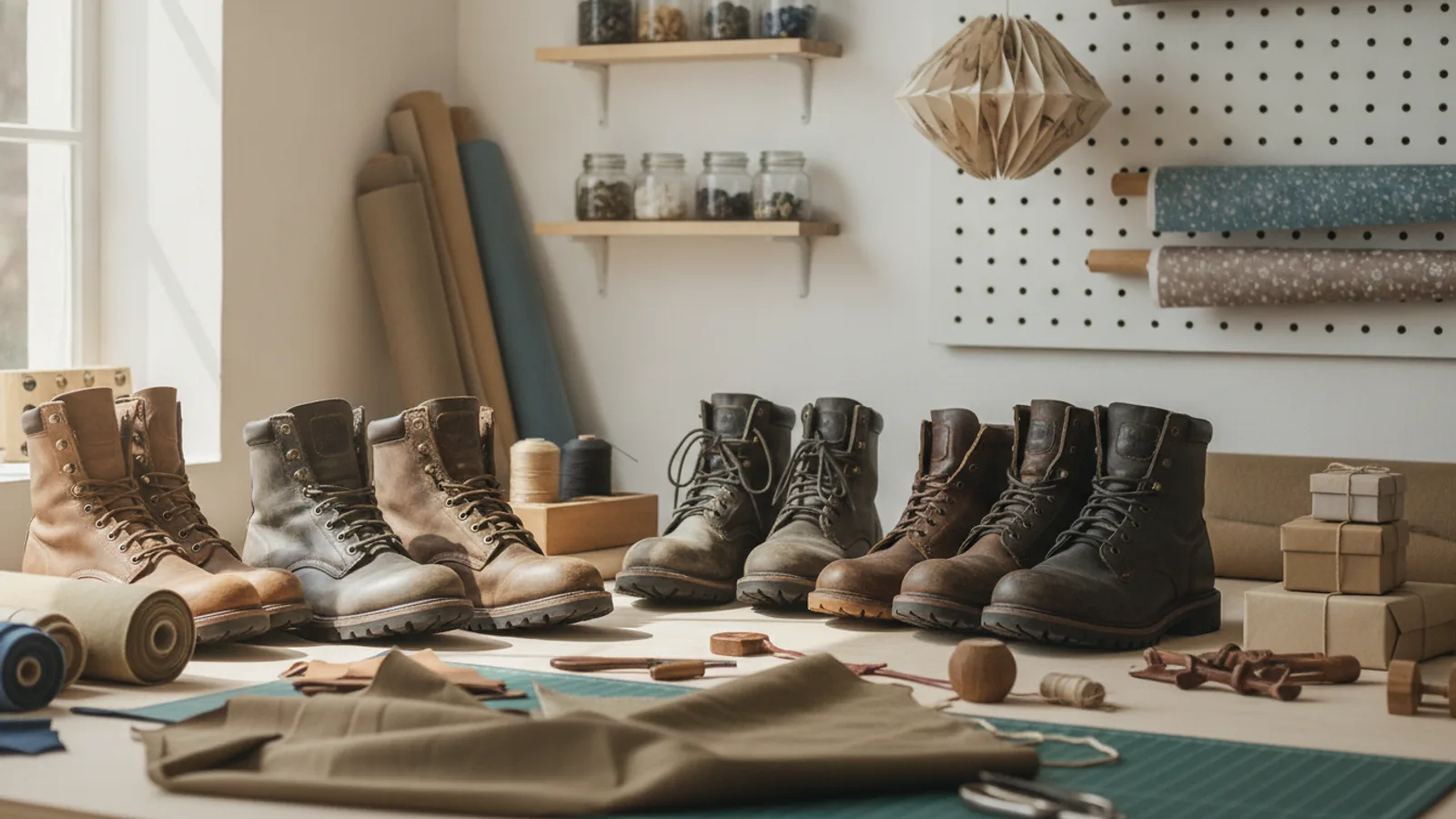
Whether you're spending hours on your feet in the woodshop, navigating a messy studio floor, or tackling a home renovation project, the right pair of work boots is non-negotiable. Your feet deserve protection, support, and comfort. We've researched over 25 popular models available in the UK, analysing material specifications, safety ratings, and hundreds of user reviews from fellow makers and tradespeople. Based on this extensive research, the Timberland PRO Pit Boss Steel Toe stands out as the best overall choice for its unbeatable blend of classic durability, reliable safety features, and surprising comfort.
Quick Comparison
Timberland PRO
- Classic rugged build
- Excellent protection
- Great all-day support
SKECHERS Cankton
- Best for all-day comfort
- Memory foam insole
- Minimal break-in time
Helly Hansen Chelsea
- Modern lightweight design
- BOA lacing system
- Composite safety toe
Scruffs Switchback
- Excellent value for money
- Solid all-round protection
- Comfortable for daily wear
CAT Trespass
- Fully waterproof membrane
- High-traction outsole
- Durable construction
The Best best work boots
- Timberland PRO Pit Boss Steel Toe Work Boot - Best Overall
- SKECHERS Work Relaxed Fit: Cankton ST - Best for All-Day Comfort
- Helly Hansen Workwear Chelsea Evolution Mid BOA S3 - Best Lightweight Design
- Scruffs Switchback Safety Boot - Best on a Budget
- Caterpillar Trespass Waterproof Steel Toe Boot - Best for Wet Conditions
Timberland PRO Pit Boss Steel Toe Work Boot
The Timberland PRO Pit Boss is an icon for a reason. It delivers everything you expect from a serious work boot: rock-solid protection, rugged construction, and a supportive fit that keeps you going all day. The steel toe cap meets EN ISO 20345 safety standards, and the slip-resistant rubber outsole provides confident footing on dusty workshop floors or uneven ground. While they require a short break-in period, the payoff is a boot that moulds to your foot for lasting comfort. It's the perfect all-rounder for makers who need a boot that can handle everything from woodworking to light metal fabrication without missing a beat.
Pros
- Extremely durable leather and welt construction
- Excellent ankle support and stability
- Meets high safety standards for peace of mind
- Comfortable for long hours after break-in
Cons
- Heavier than composite toe alternatives
- Requires a few days to break in properly
SKECHERS Work Relaxed Fit: Cankton ST
If you prioritise comfort above all else, the SKECHERS Cankton ST is your answer. It feels less like a traditional work boot and more like a rugged, supportive trainer. The secret is the combination of a relaxed, roomy fit and the plush Memory Foam insole, which cushions your feet and reduces fatigue during long days standing at the workbench. The break-in period is virtually non-existent. While it offers certified steel toe protection and a slip-resistant sole, the lighter construction may not withstand the extreme abuse that a Goodyear-welted boot can. For most studio, workshop, and light DIY use, however, it's a dream for your feet.
Pros
- Exceptional out-of-the-box comfort
- Memory Foam insole provides excellent cushioning
- Lightweight feel reduces leg fatigue
- Relaxed fit is great for wider feet
Cons
- Not as durable as heavy-duty leather boots
- Less ankle support than higher-cut boots
Helly Hansen Workwear Chelsea Evolution Mid BOA S3
For makers who want modern technology and a lightweight feel, the Helly Hansen Chelsea Evolution is a standout. It swaps a heavy steel toe for a lighter, metal-free composite toe cap and features a puncture-resistant composite plate, all while meeting S3 safety standards. The biggest innovation is the BOA Fit System, which lets you dial in a perfect, secure fit with a simple twist—no more fiddling with muddy laces. The EVA midsole provides sneaker-like comfort and flexibility, making it easy to move, crouch, and work without feeling weighed down. It's a premium option, but for those who value modern convenience and reduced weight, it's worth the investment.
Pros
- BOA Fit System for quick, secure lacing
- Lightweight composite toe and midsole plate
- Modern, athletic design and feel
- Excellent grip and S3 safety rating
Cons
- Higher price point than traditional boots
- BOA system could be a point of failure over time
Scruffs Switchback Safety Boot
Proving that you don't need to spend a fortune for reliable protection, the Scruffs Switchback is a favourite in the UK for its fantastic value. It ticks all the essential boxes: a steel toe cap, a puncture-resistant midsole, and a slip-resistant sole. The nubuck leather upper gives it a classic look, and the padded tongue and collar provide a good level of comfort for daily wear. While the materials and overall construction aren't as robust as our premium picks, they are more than adequate for most DIY projects, garden work, and general workshop use. If you need a dependable, no-nonsense boot that won't break the bank, the Switchback is an excellent choice.
Pros
- Outstanding value for money
- Comprehensive safety features (steel toe and midplate)
- Comfortable enough for all-day use
- Stylish, hiking boot-inspired design
Cons
- Not as long-lasting as premium options
- Water resistance is limited
Caterpillar Trespass Waterproof Steel Toe Boot
For those whose creative pursuits take them outdoors or into damp environments—think pottery studios, garden projects, or drafty garages—the Caterpillar Trespass is a superb choice. Its key feature is a fully waterproof membrane that keeps your feet dry from splashes, puddles, and spills. The full-grain leather upper is tough and abrasion-resistant, while the steel toe and slip-resistant outsole provide the necessary safety credentials. It's built on a sturdy Goodyear welt, ensuring it can take a beating. They are a bit on the bulky side, but that's a small trade-off for the confidence of having warm, dry feet, no matter what the day throws at you.
Pros
- Reliable waterproof construction
- Very durable, high-quality materials
- High-traction outsole performs well on slick surfaces
- Goodyear welt for long-term resilience
Cons
- Can feel heavy and a little stiff initially
- Less breathable than non-waterproof boots
Buying Guide: How to Choose the Best Work Boots
Choosing the right work boots is a crucial investment in your safety and comfort. Here’s a breakdown of the key factors to consider, tailored for the needs of a crafter, maker, or DIY enthusiast.
Safety First: Understanding the Ratings
Your primary reason for wearing work boots is protection. Look for boots that meet the EN ISO 20345 standard, which is the European benchmark for safety footwear.
- Toe Protection: This is the most basic feature. A protective toe cap guards against impact from dropped tools or materials.
- Steel Toe: The traditional choice. Offers maximum protection but is heavier and conducts cold.
- Composite Toe: Made from materials like carbon fibre, plastic, or Kevlar. It's lighter, doesn't conduct cold, and won't set off metal detectors, but can be slightly bulkier to achieve the same strength as steel.
- Puncture Resistance: If you work in an environment with sharp objects on the floor (nails, screws, shards of glass), a puncture-resistant midsole (often labelled P) is essential.
- Slip Resistance: Look for soles with an SRA, SRB, or (ideally) SRC rating. SRC means the sole has been tested and passed on both ceramic tiles with soap (SRA) and steel floors with glycerol (SRB), offering the best all-round grip.
Comfort for Long Days
When you're on your feet for hours, comfort is just as important as safety. An uncomfortable boot is a distraction you can't afford.
- Midsole Material: This is the layer that provides cushioning. EVA (ethylene vinyl acetate) is lightweight and flexible, like in a running shoe. PU (polyurethane) is heavier but more durable and supportive.
- Insole: This is the removable footbed. Many modern boots come with excellent cushioned insoles (like memory foam), but you can always replace a basic one with an aftermarket option for better arch support.
- Fit and Sizing: Never assume your normal shoe size will be right. Try boots on at the end of the day when your feet are slightly swollen, and wear the type of thick socks you’d normally use for work. You should have about half an inch of space between your longest toe and the end of the boot.
- Break-in Period: Sturdy leather boots, especially those with a Goodyear welt, often require a break-in period of one to two weeks. Be patient; they will mould to your feet and become incredibly comfortable.
Materials and Construction
The longevity of your boots depends heavily on what they're made of and how they're put together.
- Upper Materials: Full-grain leather is the most durable and water-resistant option. Nubuck or suede offers a softer feel but requires more care. Synthetic materials are often lighter and more breathable but may not last as long.
- Sole Construction: A "cemented" sole is glued on, which is flexible and lightweight but less durable. A "Goodyear welt" construction involves stitching the upper to the sole, creating a highly durable and water-resistant bond that can also be resoled, extending the life of the boot.
- Waterproofing: If you work with liquids or spend time outdoors, a waterproof membrane (like Gore-Tex or a brand's proprietary version) is a game-changer for keeping your feet dry and comfortable.
Final Verdict: Best best work boots
Investing in a quality pair of work boots is one of the best things you can do for your safety and well-being in the workshop or studio. After careful consideration of the top options on the market, the Timberland PRO Pit Boss Steel Toe Work Boot is our clear winner for the best work boots overall. It provides an exceptional balance of rugged durability, certified safety, and long-term comfort that is ideal for the varied demands of a maker's life.
If your priority is immediate, out-of-the-box comfort for long days standing on concrete, the SKECHERS Work Relaxed Fit: Cankton ST is an excellent alternative that feels more like a cushioned trainer. Whatever your specific needs, choosing any of the boots on this list will give you the confidence and protection to focus on what you do best: creating.
Best Work Boots 2026 FAQ
What's the difference between steel and composite toe caps?
Steel toe caps are the traditional standard, offering maximum protection against impact and compression. They are strong but heavier and can conduct heat and cold. Composite toe caps are made from non-metal materials like carbon fibre, plastic, or Kevlar. They are lighter, don't conduct temperature, and won't set off metal detectors, making them ideal for some work environments. Both types must meet the same EN ISO 20345 safety standards to be sold as safety footwear in the UK.
How long should work boots last?
The lifespan of a work boot depends heavily on usage, the environment, and the quality of construction. For daily, heavy use in a demanding workshop, a good quality pair should last between 12 and 18 months. For lighter, occasional DIY or craft use, they can last for several years. Look for signs of wear like cracked leather, a separating sole, or a worn-down tread to know when it's time for a replacement.
Do I need waterproof work boots for an indoor workshop?
It depends on your craft. If you're a woodworker or metalworker in a dry environment, waterproofing is not essential and can make the boots less breathable. However, if you're a ceramicist, screen printer, or work with any liquids, dyes, or in a damp space, waterproof boots are invaluable for keeping your feet dry, comfortable, and protected from chemicals.
How do I break in new work boots?
The best way to break in new leather work boots is to wear them for short periods at first. Start with an hour or two around the house for a few days. Wear them with the thick socks you intend to work in. This allows the leather to slowly soften and conform to the shape of your feet without causing painful blisters. You can also use a leather conditioner to help soften the material.